TheraWolf Balm: Scam or Legit? Here’s the Honest Truth

“Scam or legit” is the search people type when a product looks too polished and the discounts feel too aggressive. It is a fair instinct. This article answers it directly for TheraWolf, without cheerleading and without the lazy “everything online is a scam” cynicism that is just as useless as blind trust.
The short version: TheraWolf is a real product from a real company, sold with a genuine guarantee, but it is wrapped in aggressive marketing that deserves a skeptical read. Here is the long version, with the good and the questionable laid out plainly so you can decide for yourself.
What TheraWolf Is, and Who Sells It
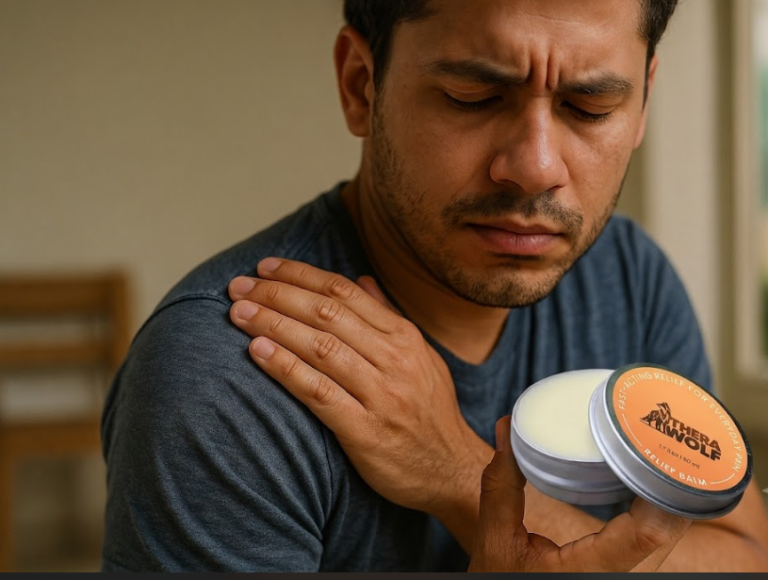
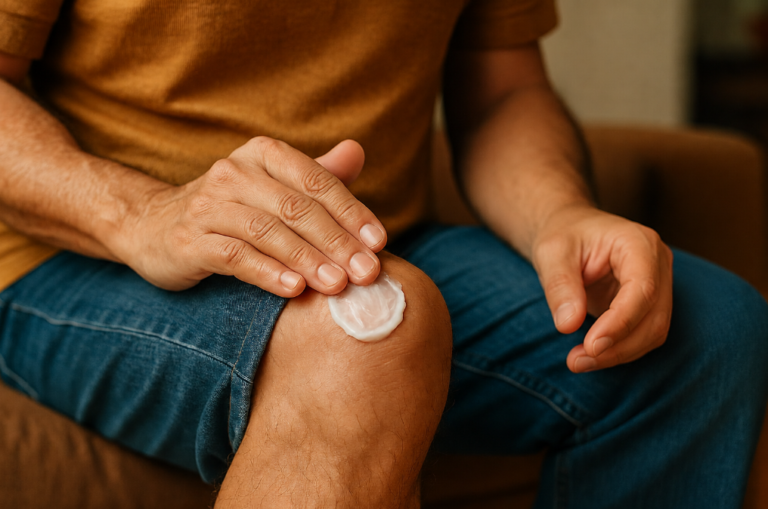
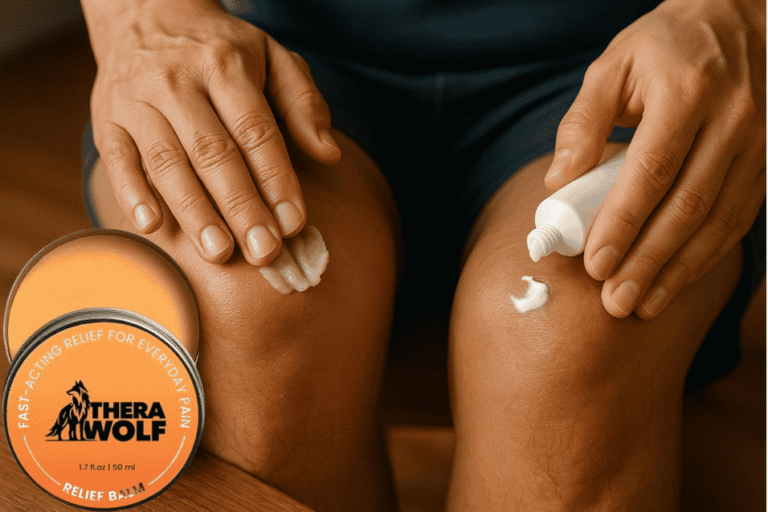
TheraWolf Relief Balm is a natural topical pain and recovery balm aimed at joint and muscle discomfort. According to the site, it is sold by UAB Rara Digital, a company based in Vilnius, Lithuania, while the brand states the balm is made in the USA. A named seller, a physical address, and a published support email and phone number are all positive signs. Anonymous storefronts with no way to reach a human are the ones that should genuinely worry you, and TheraWolf is not one of those.
The Marketing Signals Worth Noting
To be honest about it, the sales page uses every classic urgency tactic: countdown timers, steep limited-time discounts, low-stock warnings, and bold self-reported statistics. None of that makes a product a scam, but all of it is designed to rush you, and a good rule is that anything trying to hurry your decision deserves a slower one from you.
The same goes for the wall of glowing testimonials and the confident percentages. They are persuasive by design. Read the claims, note them, then step back and separate what is verifiable, the ingredient list, the company details, the refund policy, from what is simply asserted, the exact success rates and the “America’s #1 choice” style superlatives. That separation is the whole skill of buying online without getting burned.
What Actually Checks Out
Several things support the “legit” side. TheraWolf publishes its full botanical ingredient list, including MSM, magnesium chloride, peppermint oil, arnica, camphor, and blue chamomile, rather than hiding behind a vague “proprietary blend.” It states clearly that the formula is plant-based with no parabens, paraffins, or synthetic fillers. It provides a working support channel and a stated shipping policy. And it backs the purchase with a 60-day money-back guarantee framed as “if we don’t help you, we don’t want your money.” Transparency, contactable support, and a real refund window are not what scams usually offer. Review the full ingredient list and what each one is meant to do to judge it for yourself.
What Does Not Fully Check Out
On the other side, the headline statistics, 89% becoming pain-free, 92% feeling relief on the first application, an 87% circulation boost, are all self-reported by the seller. There is no independent clinical trial of the finished balm, and TheraWolf does not claim one. The ingredients are researched at the category level, which you can verify through NIH research on topical pain relief, but that is not the same as proof that this exact formula performs as advertised. Believing the numbers is a choice you make about the seller, not a fact you can independently check.
What a Real Scam Looks Like By Contrast
It helps to remember what actual fraud looks like, because TheraWolf does not fit the pattern. A genuine scam typically hides who is selling, offers no real way to contact anyone, has no refund policy or an impossible one, bills you on a hidden recurring subscription you did not agree to, or ships nothing at all. TheraWolf ships a labeled physical product, names its seller, publishes support contacts, and states a clear 60-day refund. Aggressive marketing and outright fraud are not the same thing, and conflating them just leaves you unable to tell real risks from imaginary ones.
Scam, or Just Aggressive Marketing?
The meaningful distinction is this. A scam takes your money and gives you nothing, or nothing you can get refunded. TheraWolf ships a real, transparently labeled product and offers a 60-day refund path. What it does aggressively is market, dressing a plausible botanical balm in urgency and confident numbers. That makes it a product to buy with clear eyes, not a fraud to avoid outright.
How to Buy It Safely
If you decide to try it, buy only from the official website. That is the single channel that carries the guarantee and real customer support, and it keeps you away from third-party listings that can be counterfeit or unrefundable. Keep your order confirmation, note the exact date your 60-day window opens, and give the balm consistent daily use before you judge it, since a fair test is the best protection you have against both disappointment and buyer’s remorse.
The Honest Verdict
TheraWolf is legit in the ways that matter, a real company, a disclosed formula, contactable support, and a genuine guarantee, and overhyped in the ways that are common in this niche. Approach the marketing skeptically, ignore the countdown clock, and let the refund window, not the sales copy, be your safety net.
The Refund Process in Practice
A guarantee is only as good as how it actually works when you need it, so it is worth thinking through the refund before you buy, not after. TheraWolf’s 60-day money-back guarantee applies to purchases made through its official channel, which is the first reason to buy direct: a refund you are entitled to is useless if you bought from a reseller who is not part of the promise. To keep yourself covered, save your order confirmation and receipt, note the exact date the 60-day window opens, and reach out through the brand’s stated support contact rather than a third party if the balm does not help. Because the guarantee is framed around daily use over the period, using the product consistently is not just how you test it, it is how you stay within the spirit of the refund terms. None of this is unusual for a direct-to-consumer product, and the presence of a clear, time-bound refund path is genuinely one of the stronger “legit” signals in TheraWolf’s favor. The takeaway is simple: buy official, keep your records, use it as directed, and treat the refund window as the real safety net that makes the whole purchase low-risk. Read more about what to expect from the product before you commit.
Frequently Asked Questions
Is TheraWolf a scam?
No. It is a real, transparently labeled product from a named company with contactable support and a 60-day money-back guarantee. The marketing is aggressive, but the core offer is legitimate.
Are the advertised statistics reliable?
They are the brand’s own self-reported figures, not results from an independent trial. Treat them as marketing rather than proof.
Who makes TheraWolf?
The site lists UAB Rara Digital, based in Vilnius, Lithuania, as the seller, while the brand states the balm is made in the USA.
Does the guarantee make it safe to try?
It lowers the financial risk considerably. If daily use does not improve your joints within 60 days, the refund path is what protects you, provided you bought from the official site.
How do I avoid buying a fake?
Buy only through the official TheraWolf website. It is the only channel that guarantees the genuine product, the refund window, and support.
👉 Not sure if it is worth the risk? Read the full TheraWolf Relief Balm review and get the honest breakdown of the claims and the guarantee before you decide.