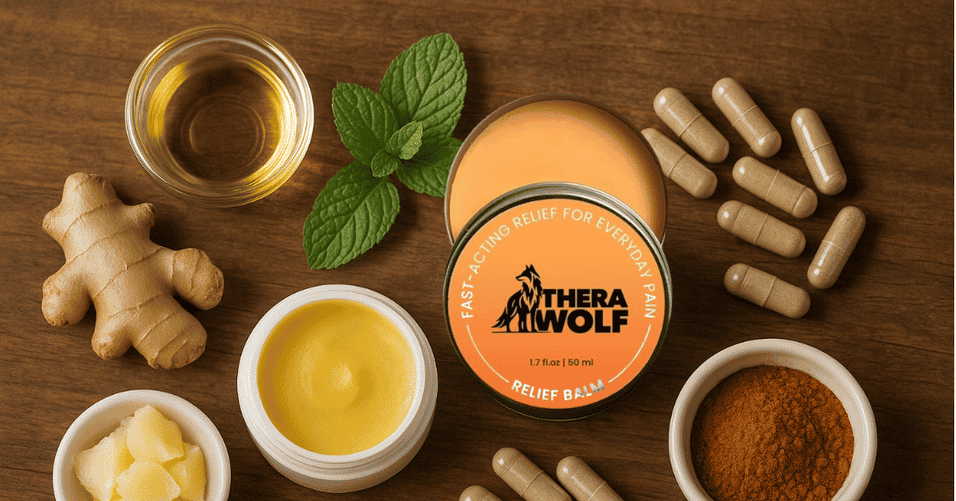
TheraWolf Balm Ingredients: What’s Inside and Is It Safe?

Ingredients are where a pain balm earns or loses your trust. A lot of reviews of TheraWolf get the ingredient list flat wrong, either inventing things that are not in it or copying a generic “menthol and capsaicin” formula that belongs to a different product. This article sticks to what TheraWolf actually publishes, and what it means for you.
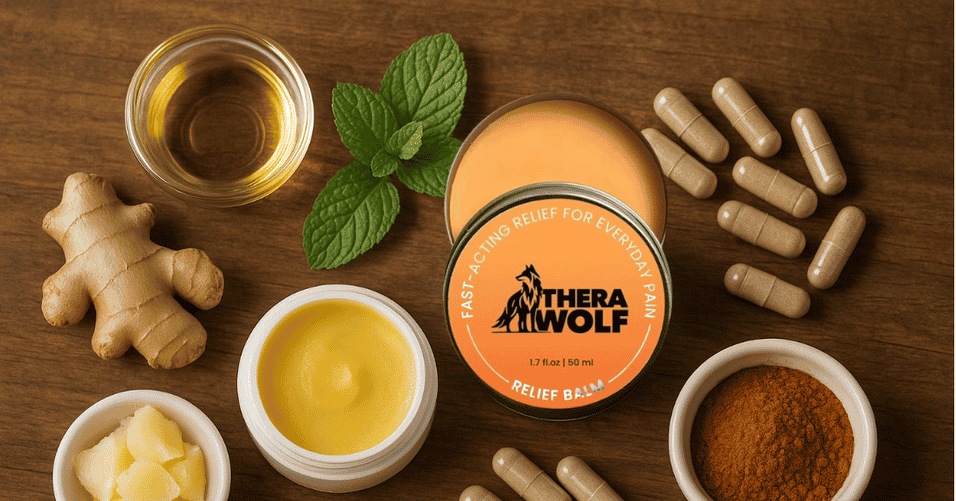
The Full Label, As Published
TheraWolf lists its complete botanical formula: Angelica, Rosewood Oil, Beeswax, Chuanxiong (Ligusticum), Ginger Oil, Holly, Jojoba Oil, Lavender Oil, Magnesium Chloride, MSM (Methylsulfonylmethane), Peppermint Oil, Safflower, Sea Buckthorn Extract, Shea Butter, Sichuan Pepper, Vitamin B6 (Pyridoxine), and Wormwood / Black Vitex. Publishing a full label instead of hiding behind a “proprietary blend” is a genuine point in the brand’s favor, because it lets you check exactly what you are putting on your skin.
The Actives the Brand Highlights
TheraWolf builds its story around a handful of ingredients. MSM is presented as reducing joint swelling and tenderness and supporting connective tissue. Magnesium chloride is described as relaxing tight muscles and calming tension deep in the tissue. Peppermint oil provides the cooling and surface relief. Blue chamomile is positioned to soothe inflamed, tender joints. Arnica is one of the most established herbals for swelling, bruising, and deep muscle soreness, particularly after activity. Camphor is a warming analgesic tied to circulation and recovery.
That is the intended mechanism, spelled out: reduce inflammation at the source, ease tight muscles, boost circulation, and cool the surface. The brand frames the whole thing as a “botanical buffet” rather than a single hero ingredient, which is a nice phrase, though it also means no one component is doing all the work and none is present at a disclosed dose.
The Supporting Botanicals, and What They Add
Beyond the headline actives, the formula carries a supporting cast the brand includes for texture, absorption, and additional plant benefits. Ginger oil is tied to circulation, lavender oil to a calming effect, sea buckthorn and shea butter to skin conditioning and a smooth base, jojoba and safflower as carrier oils, beeswax as the balm structure, and vitamin B6 rounds out the list. Angelica, holly, Sichuan pepper, chuanxiong, and wormwood/black vitex are traditional botanicals the brand includes as part of its “deep relief plants” positioning. Some of these are functional (the oils and wax that make it a spreadable, fast-absorbing balm) and some are there for the botanical story; honest reading keeps that distinction in mind.
What Research Says About the Ingredients
These are not invented actives. MSM, magnesium, arnica, and peppermint oil all appear in the research literature for inflammation, muscle, and topical relief, and topical delivery for localized discomfort is a legitimate, studied approach. You can explore NIH research on topical pain relief for the state of the evidence at the category level.
The honest caveat is that ingredient research is not the same as proof of a finished product. TheraWolf does not disclose the concentration of each active, and no clinical trial has been run on the balm itself. So “the ingredients are well studied” is true, and “this exact formula is clinically proven” is not something anyone can honestly claim. Read the deeper breakdown of how the formula is put together for more detail on each component.
Concentrations: The Missing Piece
Here is the caveat that matters most and gets the least attention. A good ingredient at a token amount does very little; the same ingredient at an effective concentration can do a lot. TheraWolf, like most balms in this space, lists what is in the jar but not how much of each. That is not unusual, and it is not proof of anything bad, but it does mean you cannot judge potency from the label alone. It is one more reason the 60-day guarantee matters: your own skin is the only way to find out whether the doses are meaningful for you.
What It Is Free Of
TheraWolf states the balm is 100% natural and plant-based, made with cold-pressed oils, and free of parabens, paraffins, fillers, and synthetic chemicals. For people who react to fragrances or harsh additives in drugstore rubs, a clean botanical formula is part of the appeal. That said, “natural” never means “impossible to react to,” and essential oils in particular can bother sensitive skin, so the label being clean is reassuring but not a guarantee of zero reactions.
Is It Safe to Use?
As a topical botanical, TheraWolf is generally low-risk for most people, and the brand describes it as gentle enough for daily use, even on sensitive areas, while recommending a small patch test first if your skin is reactive. Because ingredients like camphor and essential oils can irritate some skin, a patch test is genuinely sensible advice. If you are pregnant, nursing, or using other medicated creams, checking with a healthcare provider first is the responsible move, and the brand says as much on its own page.
The Honest Ingredient Verdict
TheraWolf’s formula is transparent, plant-based, and built from ingredients with a real research footprint for joint and muscle discomfort. What it cannot claim, and does not, is that the finished balm is clinically proven or a substitute for medical treatment. That is a reasonable, honest place for a botanical topical to sit, neither snake oil nor a cure.
How the Balm Feels and Smells
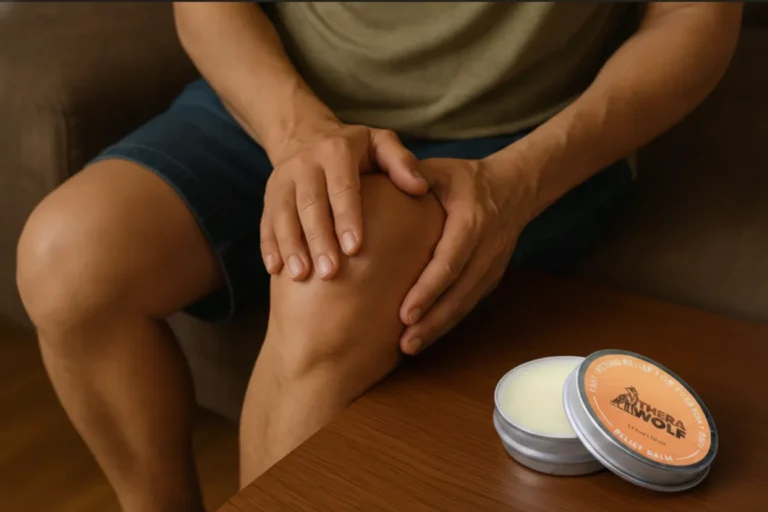
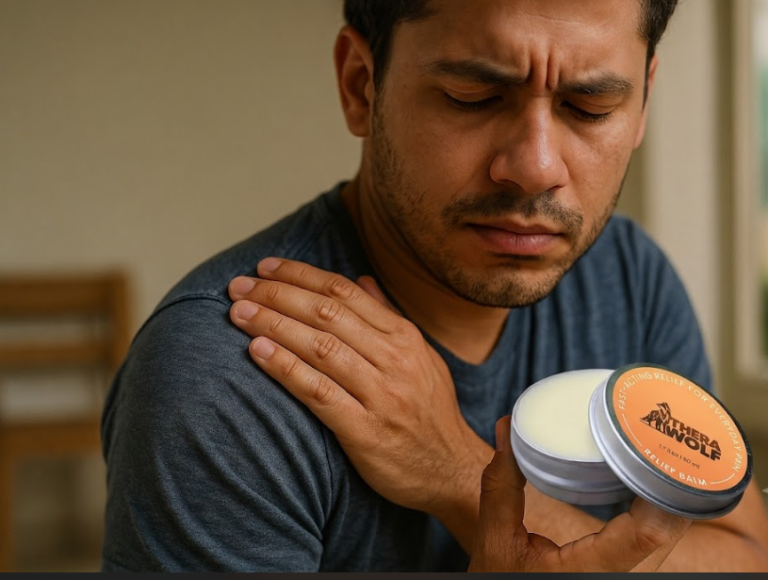
Ingredients also shape the everyday experience of using a balm, which matters more than people admit, because a product you dislike applying is a product you stop using. TheraWolf describes a soothing, cooling sensation on application, driven largely by the peppermint oil, with camphor adding a mild warming feel as it settles. The scent is presented as clean and herbal rather than the harsh, medicinal menthol smell many drugstore rubs carry, thanks to essential oils like peppermint and rosewood, and the brand emphasizes that it is light rather than overpowering. On texture, the shea butter, jojoba, and safflower give it a spreadable base, and TheraWolf stresses that it absorbs quickly and leaves no greasy residue, which is why several users mention being comfortable applying it before bed or during the workday. These are sensory claims from the brand, and individual noses and skin will differ, but they line up with the formula: a botanical balm built to feel pleasant and absorb cleanly, not to announce itself with a strong chemical sting. If you have been put off pain creams by grease or smell in the past, this is the part of the formula worth paying attention to, and the patch test is a chance to judge the feel and scent for yourself before committing to daily use.
Frequently Asked Questions
What are the main ingredients?
The brand highlights MSM, magnesium chloride, peppermint oil, blue chamomile, arnica, and camphor, within a fuller botanical formula that includes ginger, lavender, shea butter, sea buckthorn, vitamin B6, and more.
Is it all natural?
TheraWolf states the balm is 100% natural and plant-based, cold-pressed, with no parabens, paraffins, fillers, or synthetic chemicals.
Are the ingredient amounts disclosed?
No. The label lists what is in the balm but not the concentration of each active, so potency cannot be judged from the label alone.
Is it safe to use daily?
The brand describes it as gentle for daily use and recommends a patch test on reactive skin. Consult a healthcare provider if you are pregnant, nursing, or using other medicated products.
Is the finished formula clinically proven?
No. The individual ingredients are researched, but there is no clinical trial of the finished balm and concentrations are not disclosed.
👉 Want to know exactly what you are rubbing on your joints? Read the full TheraWolf Relief Balm review and get the honest ingredient breakdown before you buy.